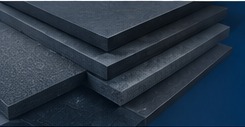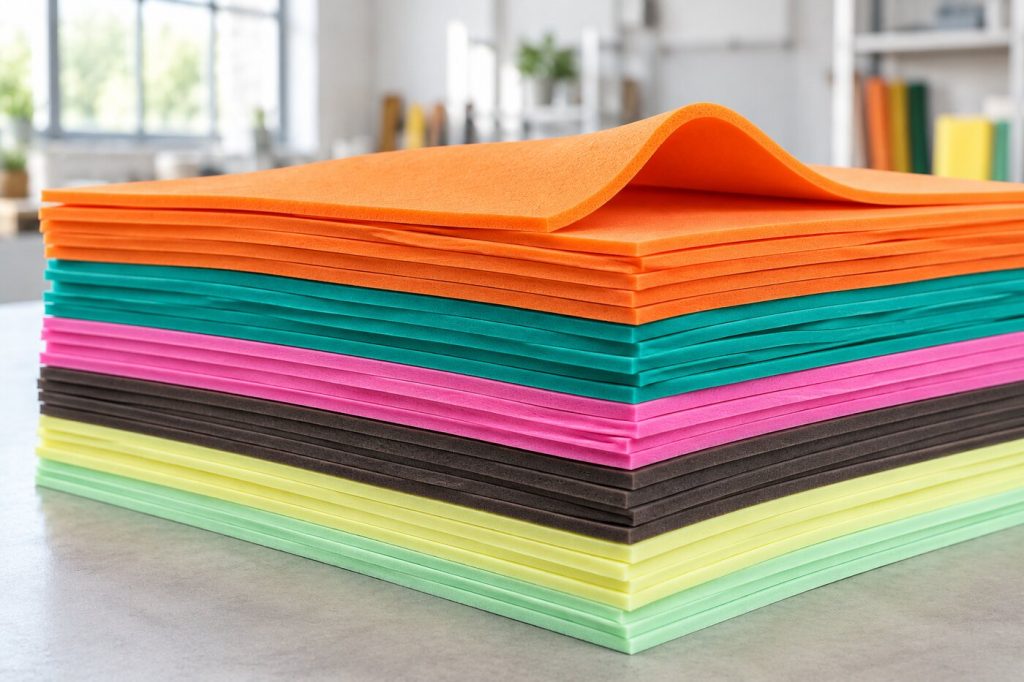
Shoe foam is a lightweight sheet material used in selected footwear applications for cushioning and padding. The right choice depends on the design, desired feel and manufacturing process.
Describe where the foam will be used
Explain the component and its position in the shoe. If possible, share a sample, drawing or reference specification with your production team and supplier. Different positions may require different thickness, firmness or processing characteristics.
Give a target thickness in millimetres
Thickness is a practical starting point, but it is not the only property that affects performance. State the target thickness in millimetres and ask what sample options are available. If firmness or density matters, request the product information for the exact foam grade rather than assuming that two sheets with the same thickness behave the same way.
Plan sheet dimensions and cutting
Include the length and width needed, the number of pieces and any planned cutting pattern. This helps confirm whether standard sheets meet the requirement or whether another size should be discussed.
Check supply before production
Confirm colour, thickness, grade, dimensions, quantity, price and delivery timing. For trial production, request a small sample or order quantity if available, and test it in the actual manufacturing process before scaling up.
DATA LAJPAL supplies shoe foam alongside rubber sheets and leatherboard. Contact the team with your use case and target specification to check current availability.